Our Global Partnership Network
The SAMTIC project brings together a dynamic network of universities united by a shared vision: to advance digital music education and innovation across borders. This international consortium connects expertise, creativity, and technology to strengthen capacity within South Africa’s higher education system while fostering lasting collaboration with leading European institutions.
Together, our partners are transforming how music is taught, produced, and experienced—combining world-class research, practical training, and cultural exchange. Through this partnership, SAMTIC is building a sustainable framework for digital transformation, empowering educators and students to shape the future of music education in Africa and beyond.
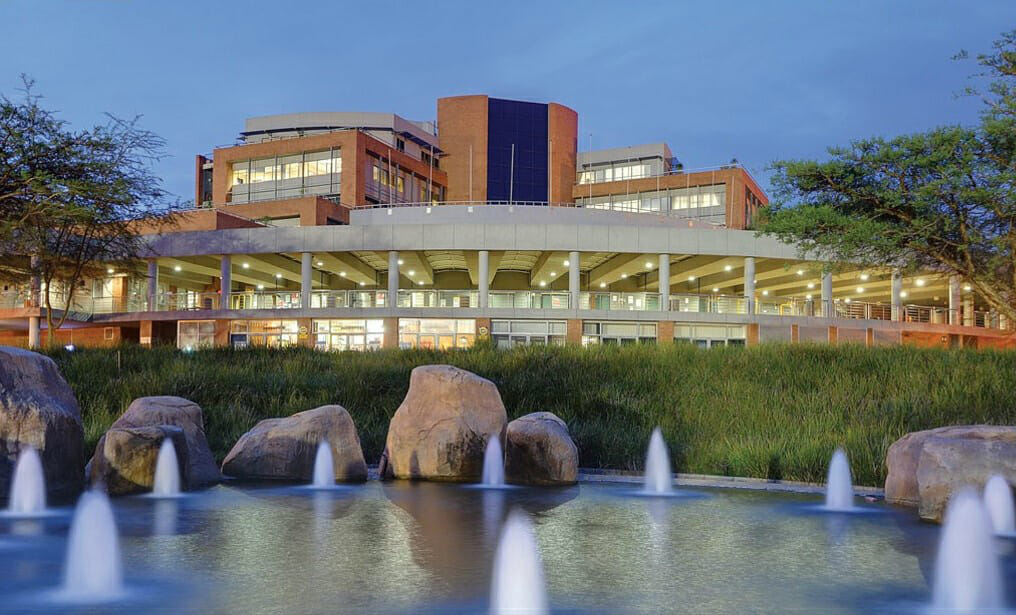

A large, comprehensive institution serving predominantly low-income communities, TUT drives national impact through accessible, industry-aligned programmes. Under SAMTIC, TUT will establish South Africa’s first fully functional HEI-based professional teaching and production studio.

Dr Rostislava Pashkevitch–Ngobeni is an award-winning pianist, performer, composer and scholar whose work bridges performance, creativity and forward-looking sound innovation. Her musical journey began at the age of six, when she first encountered the piano keys that would shape her artistic path and lead to an international career. Over the years, she has been honoured with seventeen awards in both performance and composition, including the distinguished Hero Award, which recognises not only her artistic excellence but also her commitment to meaningful social change in South Africa. Although grounded in classical tradition, Dr. Pashkevitch–Ngobeni continually expands her creative landscape through projects that embrace experimentation, cultural expression and stylistic diversity. Her visionary spirit is reflected in King Inna De Jungle, the world’s first musical created entirely in a reggae style and dedicated to Father Carlos DjeDje. This pioneering project embodies her passion for merging genres, uplifting community voices and exploring new sonic territories that challenge conventional boundaries. Her artistry also engages deeply with research, experimental sound design and the possibilities offered by emerging technologies. Guided by her belief that “Music is Everything is Music,” she investigates how immersive audio, cross-cultural sound practices and innovative production methods can reshape the future of musical expression. She is currently developing new recording projects and concept-based albums that integrate acoustic performance with advanced technological approaches, opening pathways for multisensory forms of musical storytelling. Through her performances, compositions and scholarly contributions, Dr. Pashkevitch–Ngobeni continues to craft sound worlds that transcend borders and inspire reflection. Her work affirms music’s capacity to connect, transform and awaken the human spirit, positioning her as an influential voice in shaping the future of contemporary music.
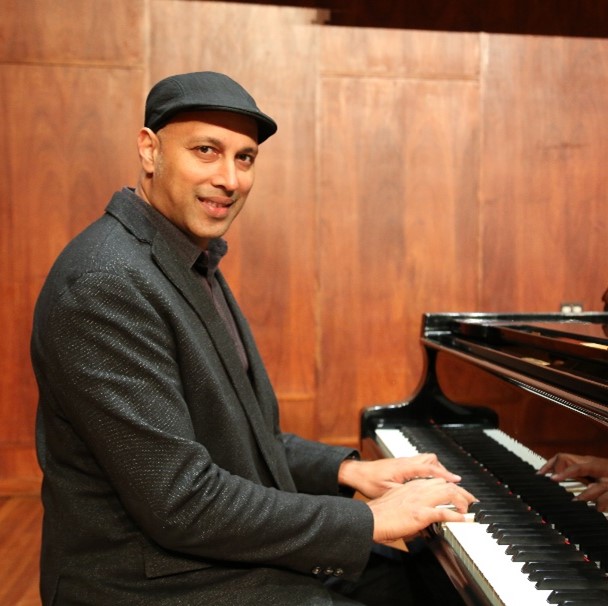
Roland Moses is a senior lecturer in Performance and Improvisation at the Tshwane University of Technology. He holds a DLitt et Phil in Musicology, an MMus (cum laude) in Jazz Performance, Composition and Arranging, and an MBA in Education Management from Haaga Helia University in Finland. He has also completed leadership programmes through Erasmus University, Groningen University, HELM (Higher Education Leadership and Management) and the Gordon Institute of Business Science (GIBS), strengthening his expertise in academic leadership and strategic development. Roland currently serves as Artistic Director for the 2024 Yamaha Young Soloist Competition and as Vice-President of the South African Jazz Educators Association. He is an official accompanist for the UNISA Jazz competitions and has adjudicated numerous national and international contests, including the South African Music Awards (SAMA) Jazz category. His performance career includes appearances at major festivals such as Joy of Jazz, North Sea Jazz (Cape Town and Holland), Macufe, KKNK, the Forest Jazz Festival and international events in Thailand, the Seychelles and the Netherlands. He has presented concerts, lectures and masterclasses at institutions including Berklee College of Music, Stockton University, the University of Pennsylvania and the Federal University of Rio de Janeiro. Roland’s debut album Paths of Light (2022) received international acclaim, with the track African Sun winning Best Jazz Song at the Mzantsi Jazz Awards and appearing on Apple Music’s Mzansi Jazz playlist. Album proceeds support music programmes at Nokuphila School in Thembisa. His research interests include music literacy, identity, jazz performance evaluation and curriculum decolonisation. He is currently an NRF postdoctoral scholar studying Pentecostal church music traditions. A Yamaha artist, Roland has represented South Africa internationally and has received TUT’s Best Lecturer Award (2022) and Creative Researcher Awards (2023 and 2024).
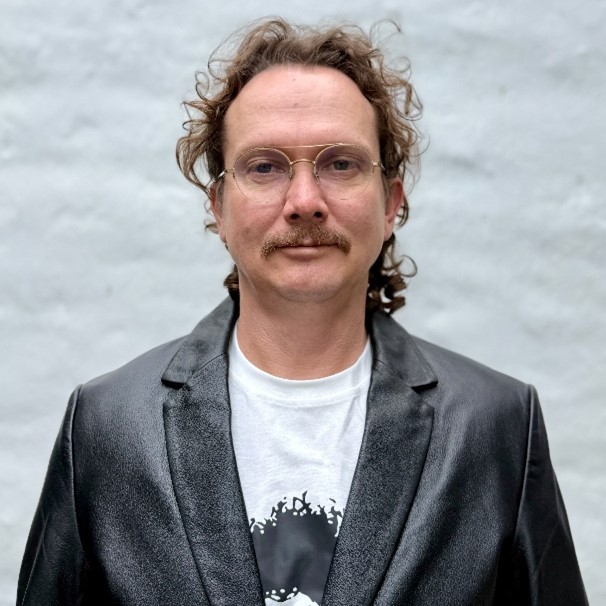
Lanie van der Walt is a South African musician, producer, and academic whose career spans more than three decades in performance, production, and audio engineering. He holds a Master’s degree in Music Production from Berklee College of Music and has served as a permanent lecturer in the Department of Performing Arts (Music) at the Tshwane University of Technology for the past nine years. His teaching portfolio includes music technology, production, synthesis, arranging, and contemporary ensemble work, reflecting his commitment to cultivating both technical proficiency and artistic creativity in emerging musicians. As the founder of Wolmer Records, established in 1997, van der Walt has produced, mixed, and mastered more than one hundred albums across an extensive range of genres. His credits include award-winning projects such as Braai Vibes by Not My Dog, which earned the South African Music Award for Best Rock Album—a project he produced, performed on, and mastered. His production work spans major South African artists and bands, film and television scores, sound design, and numerous live recording ventures, establishing him as a versatile and influential figure in the country’s music industry. Van der Walt’s performance career is equally notable, with involvement in prominent South African rock, jazz, and alternative ensembles. He has shared stages with international acts and headlined major festivals, contributing to the development of South Africa’s contemporary music landscape. His academic and professional interests include audio mastering, artificial intelligence, and the cultural implications of emerging technologies in music production. He is currently completing a Doctor of Performing Arts degree, focusing on a comparative study of AI-powered audio mastering versus traditional human mastering. His research combines technical evaluation with perceptual listener analysis to inform future creative practice and enhance educational approaches in music production.
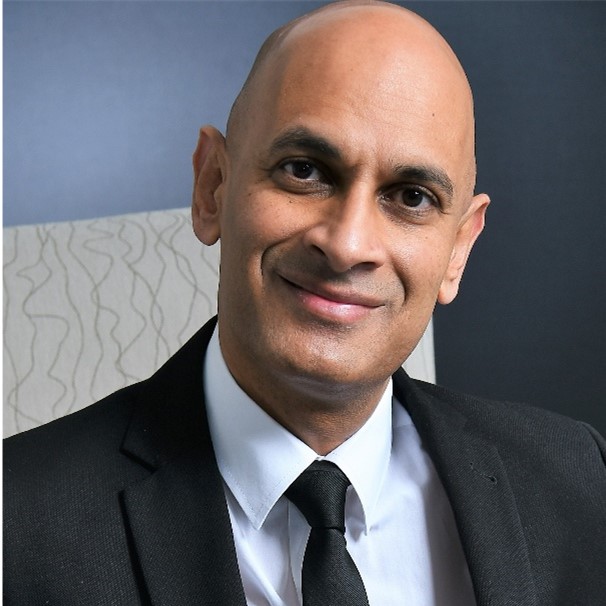
Karendra Devroop is a professor of music at the Dept of Performing Arts at Tshwane University of Technology, in South Africa. He has over 70 peer-reviewed publications and over 130 conference presentations in over 25 countries. He is the 2002 winner of the Alice Bronfenbrenner researcher award for his study on the biomechanics of trumpet performance. The award is sponsored by the Performing Arts Medical Association (PAMA). Karendra is an NRF (National Research Foundation) rated researcher who is regularly called upon as a peer-reviewer for the NRF, national and international journals and as postgraduate examiner in South Africa and internationally. He is regularly called upon to deliver keynote addresses at national and international conferences. In addition to his research, Devroop is an internationally recognized jazz saxophonist. He has collaborated with an impressive list of artists from the USA, Netherlands, Germany, Venezuela, Canada, Italy, Thailand, Brazil, Uruguay, Mexico, Mauritius and the Seychelles. Devroop has 8 full length albums to his credit as a leader and several studio and live recordings as a sideman. His most recent performances include the Joy of Jazz Festival alongside Chris Botti, Chucho Valdes, Keiko Matsui and others (South Africa), G20 Gala Reception (South Africa), 2024 Presidential Inauguration (South Africa), JPO Symphonic Jazz Festival (South Africa), Festival Sinfornico (Italy), Ost-West Musik Fest (Austria), Velia Festival (Casal Velino), Kreol Festival (Seychelles) and Virginia Arts Festival (USA) amongst many others. As a lead alto saxophonist he has performed/recorded with the Dallas Jazz Orchestra, Carroll Bailey Big Band, Marcus Wolfe Big Band and Unisa Big Band. He has appeared as a side stage act for Cedar Walton, Earth Wind and Fire, Jill Scott, Chicago and Queen Latifah. He has also performed with South Africa’s leading artists from Sibongile Khumalo and Vicky Samson to Feya Faku and MICASA. In addition to his small ensemble and big band work, he has recently performed as soloist with the Mzansi National Philharmonic Orchestra (South Africa), Arcadiana Symphony (Louisiana, USA), Kazakhstan National Symphony, Johannesburg Philharmonic Orchestra (South Africa), Lamont Symphony (Denver Colorado), Cape Town Philharmonic Orchestra (South Africa), Sanremo Symphony Orchestra (Italy), Johannesburg Festival Orchestra, (South Africa) and many others. His last 5 albums received unprecedented international recognition by topping the charts in the USA and UK with several tracks peaking in the top 20 including two tracks reaching #1 and #3 on the Smooth Jazz Charts. His 2023 CD entitled Overjoyed featured his jazz quartet with the Mzansi National Philharmonic Orchestra and his last 3 CDs were accepted into the first round of voting for the Grammys.

Nicole Govender is an aspiring technologist currently pursuing a Bachelor of Information and Communications Technology in Internet of Things at the Durban University of Technology. As a first-year student, she is already developing strong foundational skills in programming, electronics, and intelligent systems. Her coursework—ranging from artificial intelligence and sensor technology to digital circuits and computer composition—has equipped her with both analytical ability and practical, hands-on experience. She has worked with circuit boards such as Arduino Uno and has explored ways to integrate smart technologies into everyday applications. Nicole has completed multiple online certifications, including C++, Python, machine learning, web development, and generative artificial intelligence. These courses have strengthened her ability to design, code, analyse data, and understand emerging technologies shaping modern industries. She is particularly passionate about the intersection of AI, robotics, and IoT, and is motivated by the potential of intelligent systems to transform the music industry through automation, sound analysis, and creative tools. Beyond her academic work, Nicole has volunteered with Msunduzi Hospice and Rise Against Hunger SA, contributing to event coordination, food distribution, production-line organisation, and community outreach. These roles have helped her develop strong teamwork, communication, and leadership skills while reinforcing her commitment to service. Nicole’s background also includes music training in classical piano and self-taught guitar, where she gained performance experience and joined a church band to expand her musical ability. Known for her adaptability, critical thinking, and willingness to learn, Nicole approaches every project with curiosity, discipline, and a drive for continuous growth.
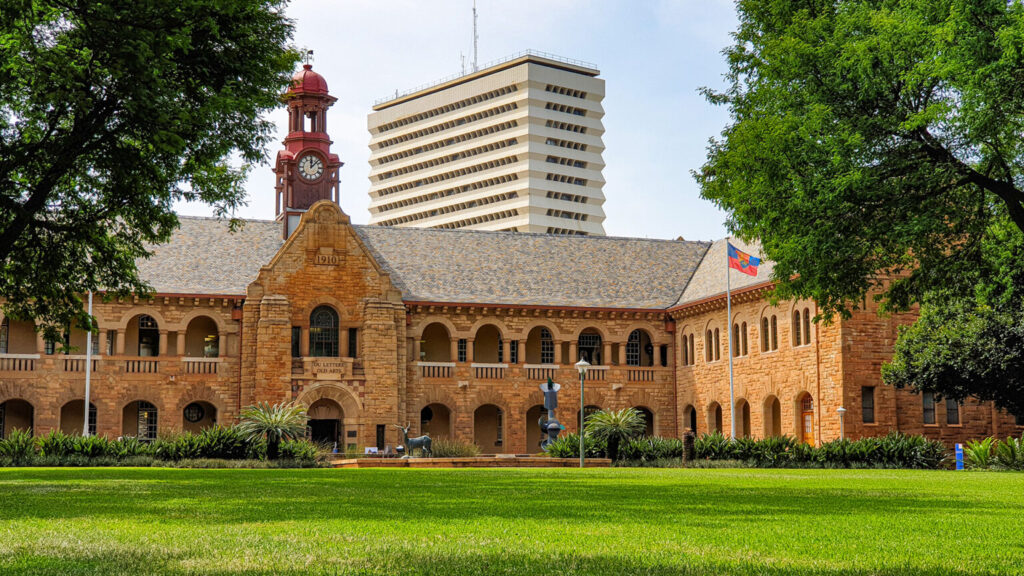

A major research-intensive university known for its strong music programmes and internationally recognised alumni.
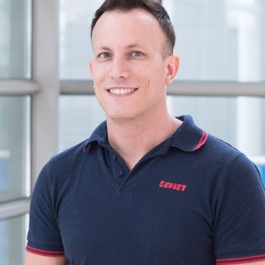
Miles is a composer and researcher whose work is rooted in the dynamic and evolving field of electroacoustic music. Having studied under noted composers Jürgen Braüninger and Theo Herbst, he has developed a strong technical and artistic foundation that informs both his creative practice and his academic work. His interests centre on the interaction between human creativity and technological innovation, particularly in contexts where computers, digital tools, and sound synthesis intersect with musical expression. A central part of Miles’s work involves exploring the interface between humans and computers, not only as a technical challenge but as an artistic opportunity. He is deeply invested in how emerging technologies can expand musical possibilities, shape new performance practices, and create fresh avenues for artistic experimentation. This commitment to bridging technology and creativity is reflected in his compositions, which often investigate the boundaries of sound, perception, and interaction. Miles currently serves as a senior lecturer at the University of Pretoria, where he teaches music technology and electroacoustic composition. In this role, he guides students in developing technical fluency while encouraging them to think critically and creatively about the role of technology in contemporary music. His academic work complements his artistic profile, contributing to a growing community of composers and researchers engaged in electroacoustic practice. His electroacoustic compositions are performed both locally and internationally, highlighting his ongoing contribution to the global landscape of technologically informed musical art. Through his teaching, research and creative output, Miles continues to foster meaningful connections between technology and artistic expression.
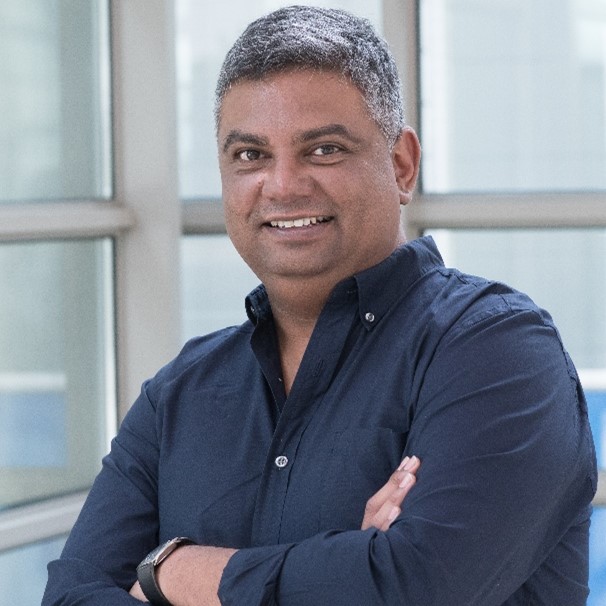
South African guitarist, composer and educator Mageshen Naidoo is an Associate Professor of Music at the University of Pretoria, where he also serves as the Coordinator for Jazz Studies in the School of Arts. He previously served three terms as President of the South African Association for Jazz Education (SAJE) from 2016 to 2022 and is recognised as an NRF-rated researcher. His academic and artistic work reflects a deep commitment to advancing jazz education, performance and scholarship in South Africa and beyond. As a US Fulbright student, Mageshen completed a Doctor of Musical Arts degree in Performance at the University of Southern California in Los Angeles. He also holds a Master of Music degree in Studio/Jazz Guitar Performance from USC, as well as a MMus in Performance and Composition & Arranging, cum laude, and a BMus in Jazz Studies from the University of KwaZulu-Natal. His extensive training underpins a career marked by musical versatility, technical mastery and a strong foundation in both performance and composition. Mageshen has performed widely across the world, including in the United States, the United Kingdom, Germany, Sweden, Canada, Mexico, Denmark, the Netherlands, the Seychelles and throughout South Africa. His performance collaborators include Joanne Brackeen, Marco Pignataro, Mike Rossi, Lenora Zenzalai Hammonds, Yuri Honing, Artvark, Ronald Snijders, Oscar Stagnaro, Karin Bengjmark, Eva Kess, Sibongile Khumalo, Feya Faku, Neil Gonsalves, Karén Devroop, Ladysmith Black Mambazo and Angélique Kidjo. Highlights of his career include performing at President Nelson Mandela’s private birthday celebration and at both the Commonwealth and African Heads of State conferences. His compositions and recordings have been performed locally and internationally. Mageshen has received numerous honours, including the Old Mutual Jazz Competition awards in both composition and performance, as well as USC’s Faculty Award for Distinguished Scholarship and Leadership
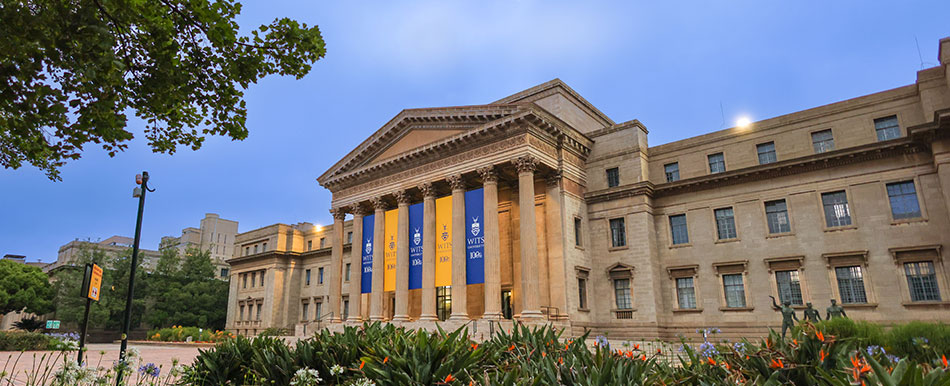

A leading Johannesburg institution shaping the cultural and creative landscape through its influential School of Arts.

Benjamin Jephta is a South African bassist, composer, producer and educator whose work spans jazz performance, film and television scoring, and creative music production. A former Standard Bank Young Artist for Jazz (2017) and Mail & Guardian Young South African, he has toured and recorded widely, performing at major festivals and venues across South Africa, Europe, the UK and the United States. As a bandleader, he has released several acclaimed albums, including Homecoming (2015), The Evolution of an Undefined (2017) and Born Coloured, Not Born-Free (2023), projects that explore themes of home, belonging and identity in post-apartheid South Africa. As a screen composer, Jephta has written music for a range of film and television productions on platforms such as Netflix, Amazon Prime, Showmax and M-Net. His scores draw on jazz, popular music and South African traditions while integrating contemporary production techniques, songwriting and collaborations with vocalists and MCs. Beyond his own projects, he is an in-demand sideman, musical director and producer working across jazz, popular and cross-genre contexts. Jephta is a Master’s graduate of the Berklee Global Jazz Institute and is currently registered as a PhD candidate. His research focuses on jazz studies, African and diasporic identities, storytelling and decolonial creative practice. He lectures in music at the University of the Witwatersrand in Johannesburg, where he teaches jazz theory and performance, screen music composition and music business. He is active in community-based music education, regularly giving workshops and mentoring young musicians, and serves on the boards of the South African Society for Research in Music (SASRIM) and the South African Association for Jazz Education (SAJE), contributing to research, advocacy and the development of South African music.
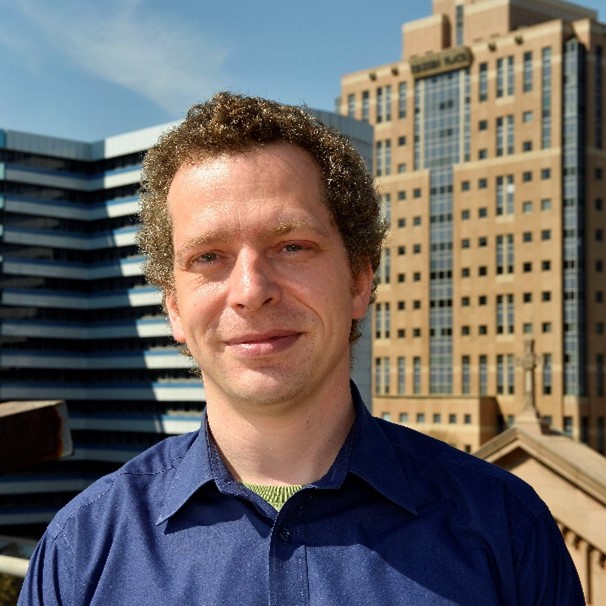
Cameron Harris studied composition at the Universities of Edinburgh, Manchester and Pennsylvania, where he received training from a distinguished group of teachers including Nigel Osborne, John Casken, Edward Harper, James Primosch and Jay Reise. His academic achievements were recognised early in his career through several prestigious awards and scholarships. He was selected as a Thouron Fellow at the University of Pennsylvania, an honour that supported his postgraduate studies, and he later received a Benjamin Franklin Scholarship for academic excellence. During his time in the United States, he won the Network for New Music composition competition in Philadelphia as well as the David Halstead Music Prize for composition at the University of Pennsylvania, affirming his growing reputation as a young composer of promise. Originally from the United Kingdom, Cameron has lived and worked in South Africa since 2006. He lectures in music at the University of the Witwatersrand in Johannesburg, where he contributes to the development of music theory, composition and contemporary music studies. His leadership in the South African new music community is notable: from 2007 to 2011 he served as Chair of NewMusicSA, the South African section of the International Society for Contemporary Music. During this time, he curated numerous festivals and events aimed at promoting contemporary composition and fostering collaboration among composers, performers and researchers. Cameron’s creative and scholarly interests focus primarily on interactive electronic music composition and the history of electronic music. His work explores the relationship between technology and musical expression, contributing to ongoing conversations about innovation within contemporary music.
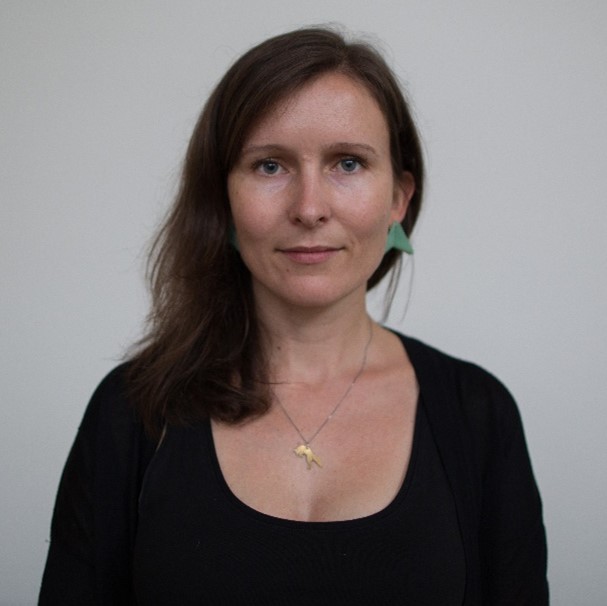
Cara Stacey is a South African musician, composer and musicologist whose work spans performance, research and creative collaboration. A former recipient of the Standard Bank Young Artist for Music award (2021), she is recognised for her unique musical voice and her expertise as both a pianist and a player of southern African musical bows, including the umrhubhe, uhadi and makhoyane. She holds a doctorate in African music from the University of Cape Town and SOAS, University of London, where her research focused on the musical, cultural and historical significance of the makhoyane bow from Eswatini. Cara has released several acclaimed albums in recent years. Her debut, Things That Grow (2015, Kit Records), features collaborations with Shabaka Hutchings, Seb Rochford, Ruth Goller and Crewdson. This was followed by Ceder (2018, Kit Records), a duo project with Peruvian flutist and composer Camilo Ángeles, and the collaborative album Like the Grass (2020, Kit Records) with Galina Juritz, Beat Keller and Antonia Ravens. Her most recent release, As in the Sun, so in the Rain, emerged from her compositional work with the trio The Texture of Silence. She has performed widely across southern Africa, the United Kingdom, Brazil, Peru, the United States and Switzerland with musicians such as Shabaka Hutchings, Sarathy Korwar, Galina Juritz, Keenan Ahrends, Natalie Mason, Beat Keller, Matchume Zango, Jason Singh and Juliana Venter. Cara serves on the executive committee of the South African Society for Research in Music and acts as the International Council for Traditions of Music and Dance liaison for Eswatini. She also sits on the boards of the Sterkfontein Composers Meeting, the Journal of Artistic Research, South African Music Studies and Muziki. She is currently a lecturer in Creative Music Technologies at the University of the Witwatersrand.
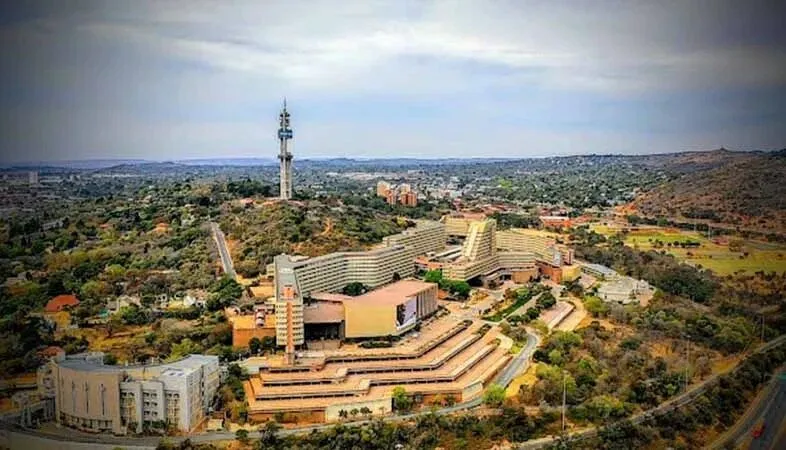

The largest university in South Africa, offering extensive music qualifications and community engagement programmes.

Dr Phuti Sepuru is a lecturer, academic, pianist and musician whose work bridges research, performance and community engagement. She completed her Bachelor of Music at the University of Pretoria in 2012, majoring in Jazz Piano Performance, Music Education and Music Technology. She went on to obtain a Master’s degree in Musicology in 2015 and a Doctorate in Musicology in 2020, developing a research focus on musical identity and stylistic approaches within South African jazz pianism, with particular emphasis on practitioner-based methodologies. Dr Sepuru currently serves as Programme Co-ordinator for Music and Lecturer in Musicology at the University of South Africa in the Department of Art and Music. From 2016 to 2023, she was a lecturer in Classical Music and Jazz Studies at the University of Pretoria, contributing to curriculum development, student mentorship and performance training. Her professional achievements include selection as a Research Fellow for the University of Michigan’s African Presidential Scholarship in Winter 2022, election as Vice-President (Southern Region) of PASMAE and Vice-President of the South African Association for Jazz Education (SAJE), and her 2024 appointment as Associate Editor of Muziki: Journal of Music Research in Africa. She was also the pianist for the Standard Bank National Youth Jazz Band in 2015 and is a member of the Golden Key International Honour Society. As an active session musician, Sepuru has performed with leading artists, with her career taking her to Ghana, Vietnam, Malaysia, Japan, Indonesia, Sweden, Denmark, Rwanda, Zambia, Egypt, New Zealand and the Seychelles. Her community engagement includes regular involvement in the Jazz Camp for Female Instrumentalists in Mamelodi, an initiative dedicated to empowering young female musicians through mentorship, education and artistic support.
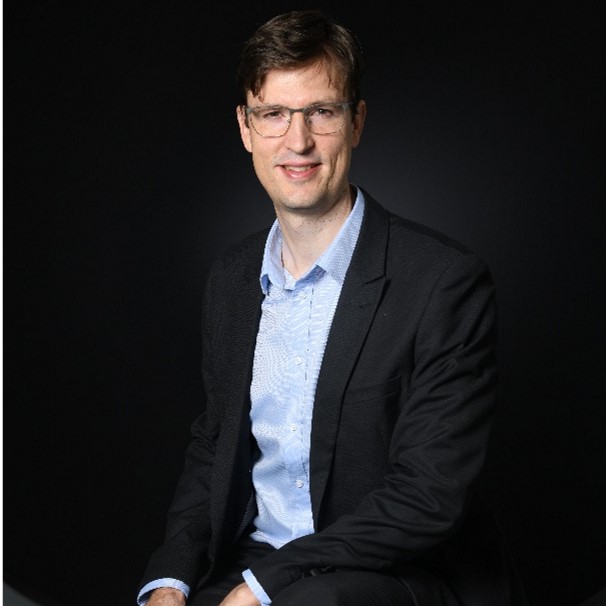
Thomas Pooley is Professor of Music at the University of South Africa and Acting Director of the Music Directorate, where he oversees the Unisa music examinations board and the Unisa Music Foundation. He previously served as Chair of the Department of Art and Music from 2021 to 2024. Thomas received his early training in classical piano under Ruth Goveia, Isabella Stengel and Mary Dullea at the University of KwaZulu-Natal, where he won the undergraduate piano scholarship competition, the Cecil Renaud Undergraduate Scholarship and the Special Honours Scholarship. He later pursued graduate studies at Wits University, where he was awarded the National Research Foundation Prestigious Masters Scholarship for research on the music of South African composers. Thomas completed his PhD in musicology and cognitive music theory at the University of Pennsylvania, supported by Benjamin Franklin and Booth Ferris Fellowships. Since joining Unisa in 2013, he has taught courses in music history, music psychology and African music, contributing to the development of both undergraduate and postgraduate programmes. His research explores African art music, indigenous tone systems, choral traditions and opera. He has published widely in journals and edited collections. His monograph The Land is Sung: Zulu Performances and the Politics of Place (Wesleyan University Press, 2023) examines how sound and space intersect in Zulu expressive culture. He is also co-editor of The Music of Mzilikazi Khumalo: Language, Culture and Song in South Africa (Bloomsbury, 2024), written with Naomi André, Innocentia Mhlambi and Donato Somma. His work has been supported by the National Research Foundation, the American Musicological Society, the University of Michigan and other funders. Thomas served as co-editor and later editor-in-chief of Muziki: Journal of Music Research in Africa from 2019 to 2025.
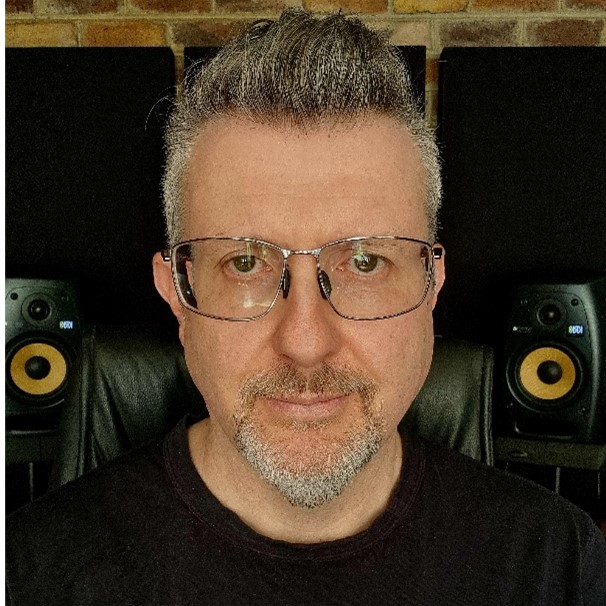
Christopher Jeffery is a Senior Lecturer in composition and music technology in the Department of Art and Music at the University of South Africa. He completed his doctorate in composition at the University of Cape Town, where he produced a pioneering thesis examining national and racial identity in historical South African film music. This research was accompanied by an extensive composition portfolio that included both concert works and film scores. His compositions have since been performed in major cultural centres throughout South Africa by many of the country’s leading performers. Chris has contributed scholarly work to publications such as The Routledge Companion to Global Film Music in the Early Sound Era and South African Music Studies. He has also presented papers on film music, composition, and music theory at numerous national and international conferences, including the Long Beach Indie Film, Media and Music Festival in Los Angeles. His current research interests focus on the rapidly evolving relationship between music and artificial intelligence. In addition to his research, Chris has taught film music at AFDA Film Academy and music theory at the University of Cape Town. He has held international academic roles as well, serving as a guest lecturer at the University of Jyväskylä in Finland in 2015 and as a visiting fellow at the Shanghai Open University in China in 2019. Chris’s music theory work focuses on combination cycles, which also form the foundations of many of his classical compositions. A versatile musician, he writes, records, and mixes popular music, and plays violin, viola, electric guitar, piano, and mbira. He runs Phonumbra Media, his home-based production company, where he composes for commercial projects and has worked as a forensic musicologist.
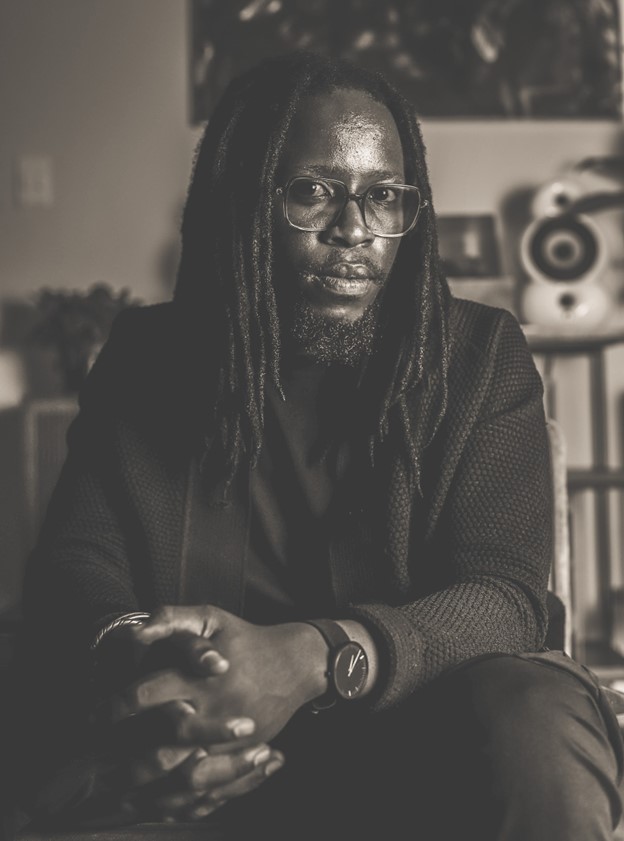
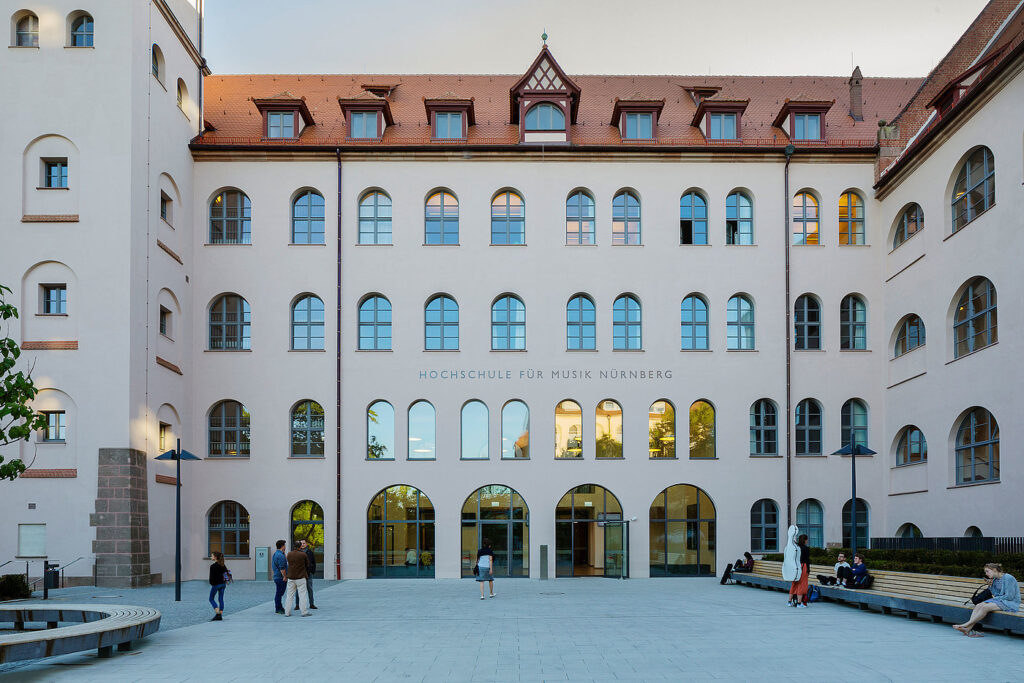

A pioneering institution in digital music education and artificial intelligence in music. HMN serves as the primary host for training and technical development workshops.
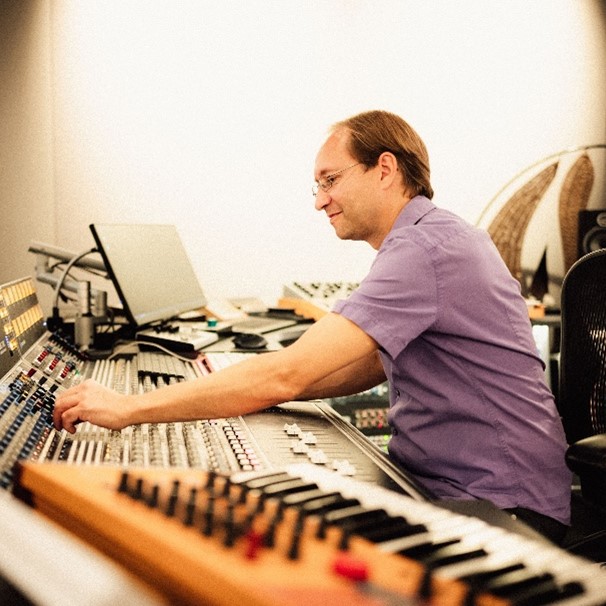
Professor Toni Hinterholzinger, born in 1976, grew up in southern Germany in a musically inclined family, an environment that nurtured his early interest in sound and technology. After gaining initial professional experience as a freelance audio engineer in recording studios, he went on to study jazz piano, developing a foundation that continues to inform his creative and technical work. Over the years, he has taught media education, perception, sound synthesis, and recording technology at universities in Germany and abroad, shaping the next generation of audio and media practitioners. Alongside his academic career, Toni has established himself as a versatile music producer, film composer, and technical consultant. His expertise has supported projects for major organisations including Daimler-Chrysler, Microsoft, the World’s Fair, and Playmobil. A founding member of the Midnight Story Orchestra, he has been touring internationally since 1997. His achievements were recognised in 1999 with an Award for Cultural Achievement, and he later became head of the recording studio at the Hochschule für Musik Nuremberg. In 2001 he joined the national Working Group on New Media, and from 2004 to 2022 he served as musical director for Germany’s most-attended university musical production. Toni has collaborated with some of the world’s leading recording engineers and owns an extensive collection of classic studio equipment, cementing his reputation as one of Europe’s foremost pro-audio experts. From 2016 to 2018 he served on the extended executive board of the Hochschule für Musik Nuremberg and helped establish the LEONARDO Center for Creativity and Innovation. Appointed Honorary Professor in 2020, he continues to write for major audio publications. He also founded Die Syntoniker, performing with modular synthesizers in distinctive venues. His current research focuses on preserving rare instrument sounds and exploring performance practices that integrate technology and artificial intelligence.


Bulgaria’s largest university, home to an innovative Centre for Music Technology and Multimedia, supporting curriculum development and collaborative research.